
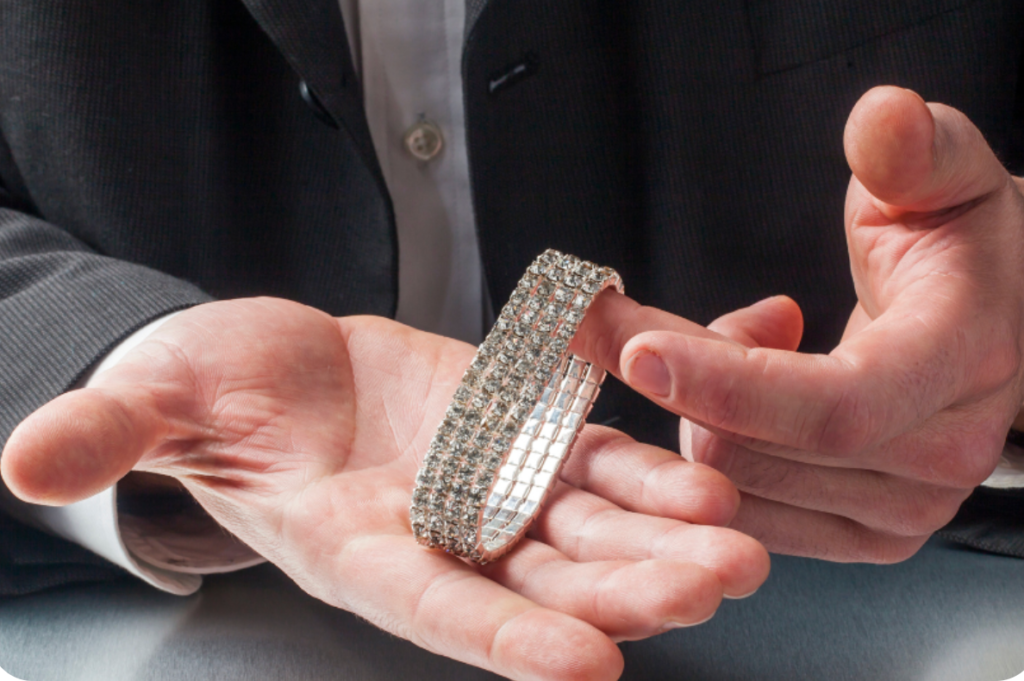
Inherited or unwanted silver often comes with mixed emotions, incomplete information, and pressure to decide quickly. The real challenge is not finding a buyer but understanding value, purity, condition, and intent before acting. Many sellers later realize they traded clarity for convenience when choosing where to sell silver jewelryand other silver household and antique items without comparing their options carefully.
Understanding your choices clearly is the only way to avoid regret and missed value.
Four Selling Paths, Very Different Outcomes
When deciding where to sell silver jewelry and other silver household and antique items like silver flatware, serving pieces, and other silver household or collectible items, many people assume all buyers work the same way. Well, they do not. Each option serves a different priority—speed, simplicity, expertise, or documentation.
Understanding these differences helps align your silver’s story with the right outcome.
- Pawnshops and Cash-for-Silver Stores
- Designed for immediate liquidity, not detailed evaluation.
- Offers are often based on weight alone, ignoring the craftsmanship or vintage appeal of your silver jewelry.
- You receive a limited explanation of the pricing methodology.
- It is best suited for you if you prioritize speed over precision.
Consideration Insight: If your silver includes watches, mixed metals, or estate pieces, this option may oversimplify value.
- Online Mail-In Silver Buyers
- It is convenient for sellers to ship their valuables.
- Pricing is typically determined after inspection of your silver jewelry, not before.
- However, you get limited opportunities to ask your questions or challenge assessments.
- Here, return policies vary and may involve fees.
This option appeals to sellers who value convenience but accept reduced transparency when choosing where to sell silver jewelry remotely.
- Auction Houses
- Suitable for all your rare or collectible silver pieces.
- However, cataloging, marketing, and bidding cycles make the timeline longer.
- Seller fees and commissions reduce final proceeds.
- Outcomes depend heavily on buyer demand at auction time.
Auctions work best when patience and market timing align with your goals.
- Local Jewelry Appraisers and Buyers
- An in-person evaluation allows explanation of purity, weight, and condition.
- Ability to distinguish bullion silver from jewelry or vintage items.
- Useful when silver is part of estates, divorces, or probate matters.
- Offers are often supported by documentation and identification.
This option is often preferred by attorneys and individuals who need accuracy before deciding where to sell silver jewelry with confidence.
Quick Comparison Snapshot
| Selling Option | Speed of Sale | Pricing Transparency | Value Recognition | Best Use Case |
| Pawnshops/Cash for Silver | Very Fast | Low | Low | Immediate Cash Needs with Minimal Evaluation |
| Online Mail-In Buyers | Fast | Medium-Low | Medium to Low | Convenience-Focused Sellers Comfortable Shipping Valuables |
| Auction Houses | Slow | Medium | High (For Rare Pieces) | Collectible or High-Demand Silver with Time Flexibility |
| Local Jewelry Appraisers & Buyers | Moderate | High | High | Inherited, Estate, Probate, or Legally Sensitive Silver |
Choosing where to sell silver jewelry ultimately depends on whether you value speed, clarity, or documented accuracy. For silver tied to family history, legal matters, or long-term value, understanding these trade-offs is essential. This is where experience, credentials, and approach begin to meaningfully change outcomes.
What Decides Your Silver’s Real Worth
When people ask where to sell silver jewelry, they often focus on speed or convenience. What usually gets overlooked is how experience, documentation, and proper identification directly affect the final number. This is where outcomes quietly change.
- Silver is Rarely “Just Silver”
Many inherited, vintage, or unwanted pieces include mixed metals, hallmarks, gemstones, or period craftsmanship. Without trained eyes, those details are missed—and value disappears. According to the Gemological Institute of America,“professional gemological evaluation can significantly alter valuation outcomes for estate jewelry.”
- Documentation Protects Value, Not Just Price
Appraisals tied to estate, probate, divorce, insurance, or bankruptcy are not optional paperwork—they are leverage. The National Association of Jewelry Appraisers (NAJA)notes that “documented appraisals help prevent underpayment and disputes in legal or financial contexts.”
- Experience Changes How Silver Is Classified
After 45 years in the industry, we have seen silver miscategorized as scrap when it was collectible, vintage, or part of a larger estate strategy. That is why all of our evaluations are handled by graduate gemologists who identify, test, and explain before any selling decision is made.
- Context Matters As Much As Content
Someone selling gifts from an ex, inherited flatware, bullion, or broken silver jewelry all face different financial and emotional considerations. Knowing where to sell silver jewelry responsibly means understanding why it is being sold—not just what it weighs.
- Mobility Changes Access to Better Decisions
We go to our clients throughout Miami-Dade and Broward counties. That flexibility allows families, attorneys, and individuals to make informed choices without rushing into the wrong outlet.
- Buying, Selling, and Appraising Under One Roof Reduces Risk
At Jon Bragman, Inc., we buy jewelry, appraise jewelry, and sell jewelry—handling silver, bullion, coins, watches, diamonds, gemstones, and gold. That full-spectrum knowledge keeps valuations realistic and defensible. Choosing where to sell silver jewelry is not about hype or promises. It is about experience, documentation, and knowing the long-term impact of today’s decision. Next, let’s address the practical questions most sellers hesitate to ask but absolutely should.
Before You Decide: Real Questions People Ask (and Should Ask First)
Even after understanding where to sell silver jewelry, most people pause with a few unanswered concerns. These questions come up in nearly every conversation we have—and for good reason.
FAQ 1. Is an Appraisal Necessary Before Selling Silver Jewelry?
Answer: Not always, but in estate, probate, divorce, or insurance situations, it can be critical. Documentation often prevents undervaluation and future disputes.
FAQ 2. Does Broken or Mismatched Silver Still Have Value?
Answer: Yes. Broken chains, single earrings, and damaged items often retain intrinsic or collectible worth, depending on composition and origin.
FAQ 3. How Do I Know I Am Not Being Underpaid?
Answer: Transparency matters. Knowing weight, purity, market conditions, and comparable sales helps confirm you are choosing the right place to sell silver jewelry.
FAQ 4. Is Selling Locally Better Than Mailing Silver Away?
Answer: For many people, local evaluation offers accountability, explanation, and peace of mind—especially when multiple items or legal considerations are involved.
FAQ 5. Can Silver Be Part of a Larger Financial or Estate Strategy?
Answer: Absolutely. Silver often intersects with estate planning, probate timelines, or asset division, making expert guidance more valuable than quick cash. Understanding where to sell silver jewelry means asking better questions before accepting the first offer. In the conclusion, we will tie these decisions together and show how the right partner simplifies the entire process.
Turning Uncertainty Into Clear, Defensible Decisions
At Jon Bragman, Inc., we believe confidence comes from clarity. When deciding where to sell silver jewelry, owners and attorneys need more than a quick offer—they need facts, documentation, and experience they can stand behind. We buy, appraise, and sell jewelry with graduate gemologists who understand silver, bullion, coins, watches, gemstones, diamonds, and gold in real-world contexts.
For individuals, that means inherited, unwanted, broken, or emotionally complex pieces are evaluated fairly and explained clearly. For estate, probate, divorce, bankruptcy, and insurance attorneys, it means defensible appraisals that support settlements, filings, and client trust. We go to our clients across Miami-Dade and Broward counties, removing pressure from already sensitive situations.
If you are weighing where to sell silver jewelry or other silver valuables like silver flatware, serving pieces, and other silver household or collectible items, we invite you to speak with us before making a final move. Let’s review your options together and choose the path that protects value, relationships, and outcomes.
Reach out today to explore where to sell silver jewelry with confidence—on your terms.