
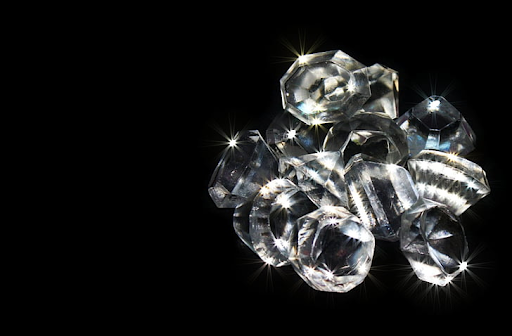
Selling a loose diamond can feel overwhelming. Whether you inherited family stones, are downsizing your jewelry collection, or simply want to unlock value you didn’t know you had, knowing how to sell loose diamond pieces is key to getting a fair price.
This blog breaks down the current market, smart strategies, and real comparisons so you know what to expect before you walk into any buyer’s office in Miami-Dade or Broward.
The State of the Diamond Market in 2025
Before we dive into selling strategies, it helps to understand the market you’re stepping into.
- U.S. Diamond Jewelry Market
In 2023, the U.S. diamond jewelry market generated about $46 billion in revenue and is projected to grow to more than $61 billion by 2030 (source). This growth reflects rising demand and a steady interest in diamonds as luxury jewelry purchases.
Despite this large market, loose diamond values on the resale side have softened as retail demand and pricing dynamics change year by year.
- Price and Demand Trends
Here’s what recent data tells us about the resale landscape:
- Retail sales of natural diamonds declined by around 6% in April 2025, even as overall jewelry sales rose modestly (source).
- Loose diamond sales have seen a decline in unit volume and total revenue in recent years, although average prices per stone may rise due to preferences for larger carats (source).
- Lab-grown diamonds, once a novelty, now represent a material portion of the market and can depress prices for natural stones in some categories (source).
This means that while diamonds remain desirable, you may not always get buy-back values close to retail prices. This phenomenon isn’t unique to Miami or South Florida; it’s part of a broader market adjustment.
Why Selling Loose Diamonds Isn’t Always Straightforward
Most people are surprised to learn that the average resale value for a diamond is significantly lower than the original purchase price. Understandably, that leads to frustration and hesitation around selling.
Factors That Affect Resale Value
| Factor | Impact on Resale Value |
| Certification (GIA/AGS) | Higher clarity in pricing and often higher resale offers |
| Size of Diamond | Larger stones sometimes fetch better per-carat pricing |
| 4Cs Quality (Color/Clarity/Cut/Carat) | Strong influence on how buyers value the stone |
| Market Trends | Oversupply from lab-grown alternatives can depress natural prices |
| Where You Sell | Direct-to-consumer tends to be higher than pawn/bulk buyers |
Certified stones with documented quality insights tend to sell for more on the resale market than ungraded stones. Also, natural diamonds often retain more trade value than lab-grown ones, though neither typically sells for what a customer might have originally paid.
Where You Can Sell Loose Diamonds
There are several common routes, each with pros and cons. Below, we’ll break them down so you can see which might suit your situation best.
Table 1: Selling Channels Compared
| Selling Channel | Typical Return | Speed | Control Over Price | Notes |
| Local Buyer/Appraisal Service | Moderate–High | Fast | Medium | May be better for certified stones |
| Pawn/Quick Cash Buyers | Low | Very Fast | Low | Good if you need money immediately |
| Auction House | Potentially High | Slow | High | Better for rare, high-quality stones |
| Online Marketplace | Variable | Moderate | High | Requires effort and caution |
| Jewelry Retailers | Low–Moderate | Varies | Low | Often retail buy-back at wholesale levels |
Tips for Getting the Best Value
To sell loose diamond pieces (especially multiple diamonds) for what they’re genuinely worth, keep these points top of mind:
- Get a Professional Appraisal
Before selling, a certified appraisal can dramatically affect your understanding of a stone’s value. You’ll want someone with expert credentials, like an accredited/graduate gemologist, to assess the 4Cs accurately.
Appraisals are especially important if you’re selling for estate, divorce, insurance, or bankruptcy reasons, where precise documentation can matter legally and financially.
- Know Your Certification
Diamonds graded by top labs (GIA, AGS) often command better pricing because buyers trust the grading. Without certification, buyers may heavily discount offers.
- Consider Multiple Offers
Taking one offer without comparison usually leads to a lower return. Getting multiple valuations allows you to see the spread and make a better decision.
- Avoid Pawn-Only Deals (Unless Needed)
Pawn shops or quick cash buyers give the lowest offers because their goal is resale at a high margin. These can be helpful for emergency needs, but aren’t the best for maximizing value.
- Quality Matters More Than You Think
Smaller carat stones or stones with imperfections often sell for a fraction of retail. High clarity and larger carats retain value better.
Common Misconceptions
Let’s clear up a few myths many people believe when they set out to sell diamonds:
Myth: Lab-Grown Diamonds Hold Value
Reality: Lab-grown stones often have lower resale value, and many buyers won’t pay full market price for them. The resale demand for lab-grown stones is notably weaker than for natural stones.
Myth: All Buyers Treat You the Same
Reality: Not all buyers evaluate stones equally. Those with gemologist expertise give more accurate and fair offers, while quick cash buyers discount heavily to build resale margin.
Tips to Sell Loose Diamonds in Miami-Dade and Broward
If you’re local to South Florida, your geography gives you some advantages:
- Access to Expert Appraisers
Miami-Dade and Broward have a vibrant jewelry and gemstone community, meaning more competition and expertise among appraisers and diamond buyers.
- Estate and Legal Cases
For probate, divorce, insurance, or bankruptcy situations, professional appraisals by accredited gemologists help ensure legal and financial clarity. These written reports can be essential for attorneys and adjusters.
- Mobile Appraisal & Buying Services
Choosing a buyer who can travel to your location, whether home, office, or lawyer’s office, makes the process easier and safer and often yields better offers because an expert sees the stones in context.
FAQs
- Do loose diamonds need to be cleaned before selling?
Cleaning isn’t required, but a clean diamond allows buyers to see clarity and brilliance more accurately, which may help you receive a stronger offer.
- Can I sell a loose diamond without its certificate?
Yes, but expect lower offers. Without certification, buyers must rely solely on their evaluation, which often leads to conservative pricing.
- Are colored diamonds harder to sell?
Not necessarily. Natural fancy-colored diamonds can be valuable, but pricing depends heavily on hue intensity, rarity, and market demand.
- Is it safer to sell loose diamonds online or in person?
In-person sales typically offer more transparency and security, especially for high-value stones, while online platforms may require additional precautions.
- How long does it usually take to complete a diamond sale?
Most in-person sales can be completed the same day, while auctions or online listings may take days or weeks, depending on buyer interest.
How Jon Bragman Inc. Can Help
Jon Bragman Inc. offers a simple, trustworthy way to sell loose diamond pieces and sell loose diamonds with confidence. With over 45 years of experience and a team of graduate gemologists, they provide accurate on-site appraisals for estate, probate, divorce, insurance, and bankruptcy needs.
Their mobile service brings certified expertise directly to you, ensuring privacy and convenience. Whether you need valuations, identification, or a fair offer for diamonds, jewelry, coins, watches, or bullion, Jon Bragman Inc. delivers clear guidance and professional support so you can make the best financial decision with ease.
Final Thoughts
If you’re ready to sell loose diamond pieces or even sell loose diamonds from an estate or personal collection, Jon Bragman Inc. can be the right choice if you want expert guidance, transparent valuations, and real market-driven offers. With decades of experience and mobile service, the team makes the process easy, accurate, and comfortable.
If you prefer the confidence of working with graduate gemologists instead of navigating the market alone, you can reach out to Jon Bragman Inc. today for a professional appraisal and a no-pressure offer.